
Do Travel Trailers Hold Their Value Over Time? Here's the Truth
Here's the honest answer most RV salespeople won't give you upfront: travel trailers do depreciate — and they do it quickly in the early years. But that doesn't make them a bad investment. If you understand how depreciation works, you can buy smarter, maintain your RV better, and protect far more of your money than the average buyer does.
Let's break it all down.
How Fast Do Travel Trailers Depreciate?
Travel trailers follow a depreciation curve that's steep at first and levels off over time. Here's what that typically looks like:
Year 1: A new travel trailer can lose 20–25% of its purchase price the moment it leaves the dealership lot — similar to how a new car loses value the second you drive it off.
Years 2–5: Depreciation continues, though at a slower rate. By the five-year mark, many travel trailers have lost 35–60% of their original value, depending on brand, condition, and market demand.
Years 5–10: The depreciation curve flattens considerably. A well-maintained trailer in this age range holds relatively stable value — especially if it's a recognizable brand in good cosmetic and mechanical condition.
Beyond 10 years: Value stabilizes further, though deteriorating components, outdated features, and accumulated wear can accelerate loss.
The key takeaway: the sharpest drop happens in years one through three. After that, the financial pain of depreciation becomes much more manageable.
Why Do Travel Trailers Lose Value?
Several specific factors drive depreciation faster than most buyers expect.
Construction Materials
Travel trailers — especially entry-level and ultralight models — are built with lightweight materials like aluminum framing and wood composite panels. These materials are efficient for towing but don't age as gracefully as the steel and fiberglass construction found in heavier RV classes. Over time, exposure to moisture, UV light, and road vibration takes a toll.
Market Supply
Travel trailers are the most popular and most produced RV category in the country. High production volume means a large used market, which keeps prices competitive and limits resale premiums. When there are thousands of similar units available at any given time, individual units have less pricing leverage.
Roof and Seal Maintenance
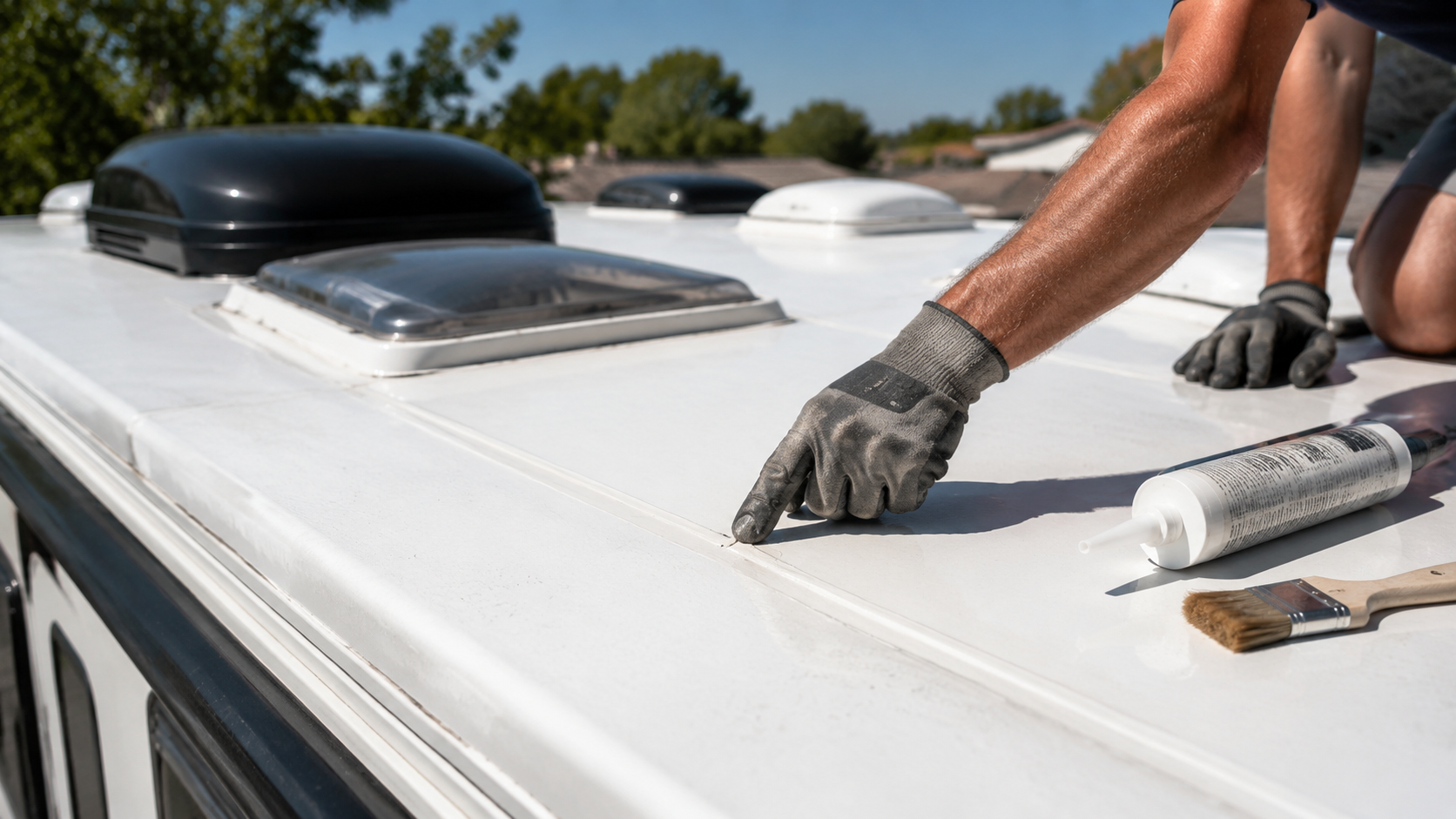
Water intrusion is the single biggest killer of travel trailer resale value. A roof seal that hasn't been inspected annually, a small leak left unaddressed, or delamination on an exterior wall can cut thousands of dollars off a trailer's value instantly. Buyers know what to look for — and they discount hard when they see signs of moisture damage.
Which Travel Trailer Brands Hold Value Best?
Brand reputation makes a measurable difference in resale. Trailers from well-established manufacturers with strong quality reputations depreciate more slowly and sell faster in the used market.
Brands consistently recognized for strong resale value include:
Jayco — consistently ranked among the top RV brands for resale retention across all categories
Grand Design — premium build quality and strong brand loyalty drive above-average used market demand
Forest River — wide model selection and strong dealer network support resale value across multiple sub-brands
Airstream — in a class of its own; aluminum construction and iconic brand identity make Airstream trailers among the best value-retaining RVs in any category
Alliance RV — newer brand with premium construction standards and growing demand in the used market
Lesser-known or budget-tier brands tend to depreciate faster, simply because used buyers are less willing to pay a premium for a name they don't recognize or trust.
What Actually Protects a Travel Trailer's Value?
Depreciation is partly unavoidable — but it's far from entirely out of your control. These factors have the biggest impact on how much your trailer holds.
Regular Roof and Seal Inspections
Inspect your roof seals at least once a year and reseal as needed. This single habit protects more of your trailer's value than almost anything else. Water damage is expensive to repair and nearly impossible to hide from a savvy buyer.
Covered or Indoor Storage
UV exposure, rain, snow, and temperature swings accelerate wear on exterior materials, graphics, and rubber roofing. Storing your trailer in a covered facility or RV storage lot when not in use makes a visible and measurable difference over time.
Keeping Detailed Service Records
A trailer with documented maintenance history — roof inspections, seal repairs, tire replacements, appliance servicing — commands noticeably higher resale prices. Buyers pay a premium for confidence, and a paper trail delivers exactly that.
Cosmetic Care
Clean the exterior regularly, treat the roof membrane annually, protect the tires from UV cracking, and keep the interior free from stains and odors. These aren't minor details — they're what buyers notice first and use to justify their offer.
Choosing the Right Model and Size
Smaller, lighter, more versatile travel trailers tend to hold value better than oversized units with niche floor plans. A 24–28 foot bunkhouse or couple's trailer appeals to a much wider pool of used buyers than a specialized floor plan that only suits a narrow lifestyle.
Is Buying a Used Travel Trailer a Smarter Move?
For many buyers, yes — strategically.
The steepest depreciation happens in years one through three. If you buy a travel trailer that's three to five years old, in excellent condition, from a reputable brand, you sidestep the worst of that initial value loss while still getting a modern, feature-rich trailer. You pay less upfront and lose less percentage-wise if you sell it later.
This is why certified pre-owned and dealer-inspected used travel trailers often represent exceptional value — especially when purchased from a dealership that has inspected the unit and stands behind its condition.
The Bottom Line for Buyers
Travel trailers are not appreciating assets — and they're not meant to be. They're lifestyle investments. The value you get from a travel trailer is measured in road trips, campfire dinners, family memories, and the freedom to go where you want, when you want.
That said, smart buying decisions protect real money. Buy a reputable brand. Keep up with maintenance. Store it properly. And if you're budget-conscious, consider a quality used unit at the sweet spot of three to five years old.
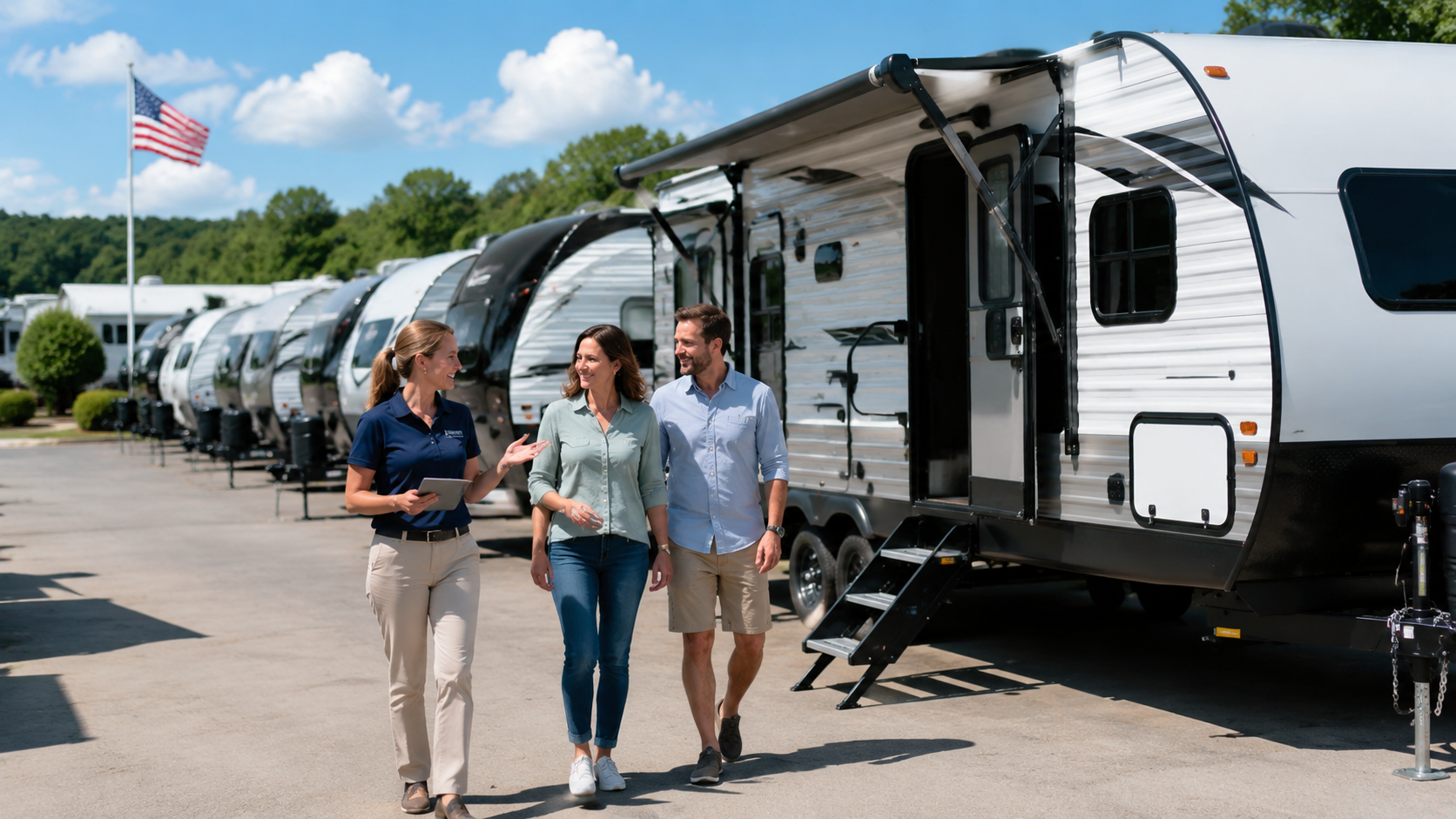
At A&L RV Sales, we carry a carefully inspected selection of new and pre-owned travel trailers from top brands including Forest River, Grand Design, Alliance, and more — across eight locations in Tennessee, Georgia, Virginia, and North Carolina. Whether you're buying your first trailer or upgrading to your next adventure, our team helps you find the right unit at the right value.
Browse our travel trailer inventory today or stop by any of our locations to see what's in stock.