What does it cost to maintain a fifth wheel every year?
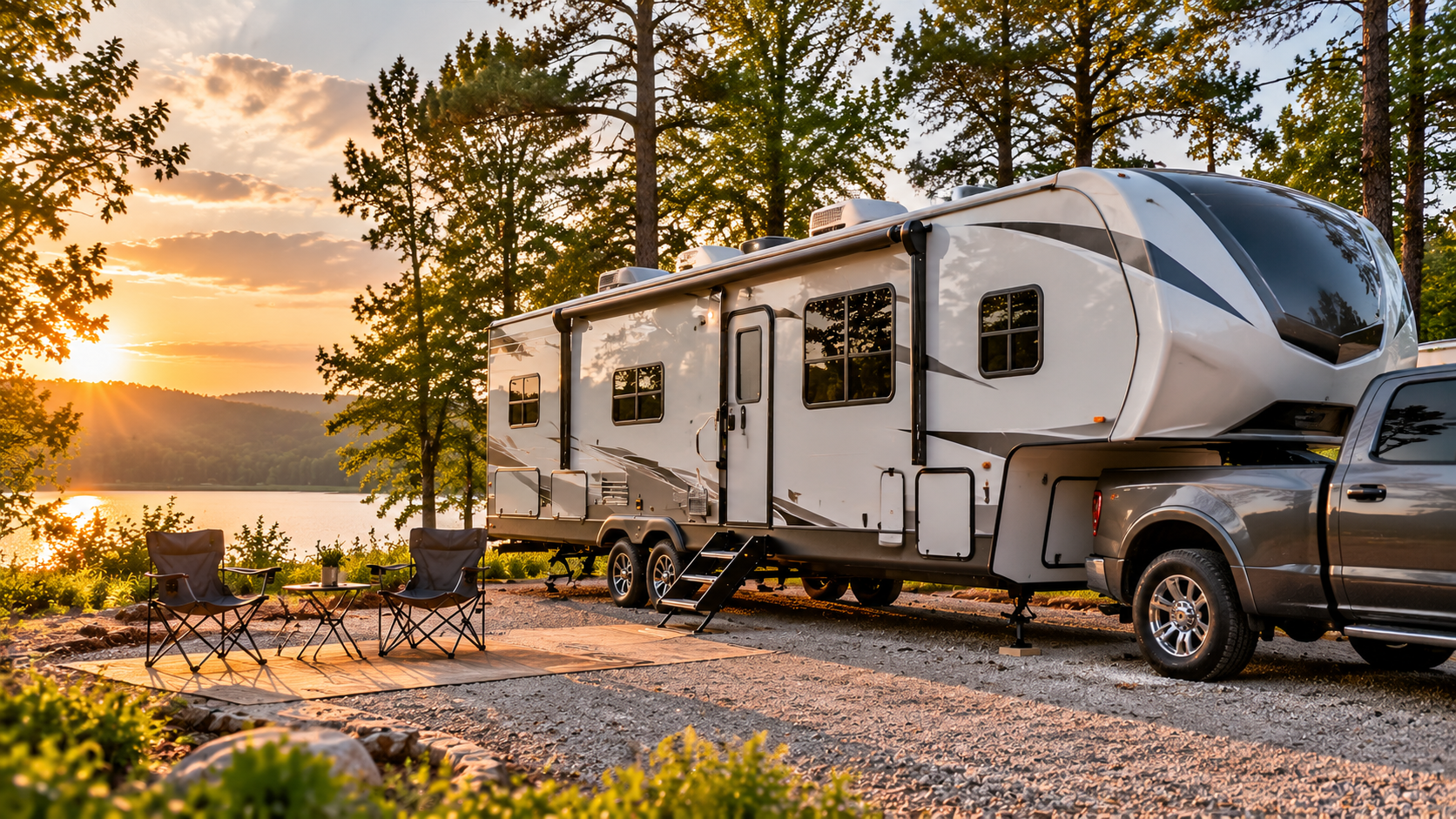
The yearly cost to maintain a fifth wheel depends on its age, size, how often you camp, and where you store it. Most of the spending falls into a few groups: tires, seals and roof upkeep, brakes and bearings, the hitch and pin box, the water system, storage, insurance, and repairs. Newer units cost less at first, and older units need more attention. A realistic budget comes from pricing each group with your own service team.
What is included in fifth wheel maintenance costs?
Fifth wheel maintenance costs include routine upkeep you do every year, plus the parts and labor for wear items that eventually need replacing. Think of it as two buckets: predictable annual tasks and planned replacements.
Predictable annual tasks
Roof and sealant inspection, plus resealing when needed
Wheel bearing service and brake inspection
Tire pressure checks and inspection
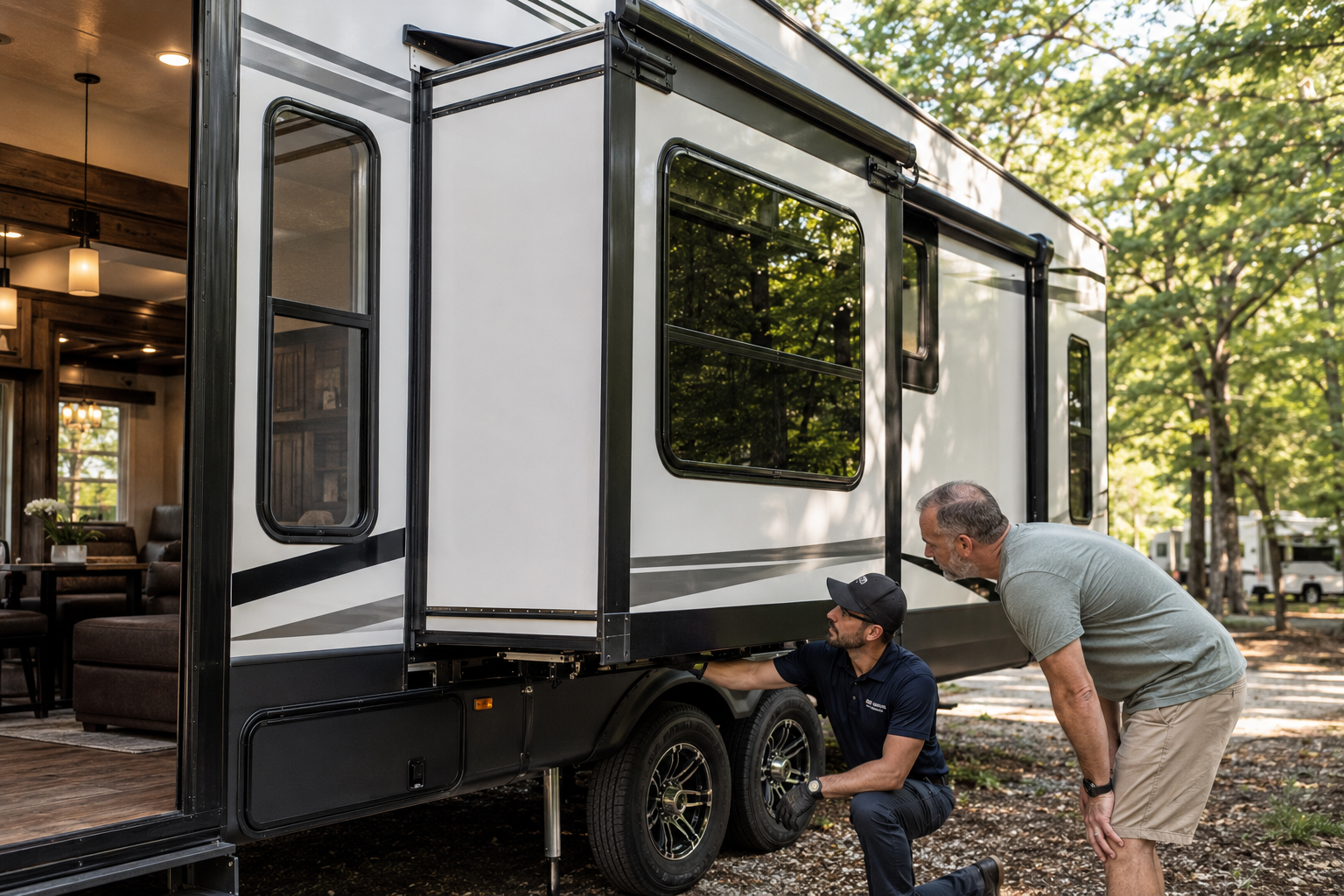
Slide-out cleaning, lubrication, and seal care
Water system sanitizing and winterizing (or de-winterizing)
Battery checks and charging system tests
Propane system and appliance checks
Hitch, king pin, and pin box inspection and lubrication
Planned replacements
Tires, which age out even when the tread looks fine
Batteries
Awning fabric
Water heater components
Roof, window, and slide seals
Brake components and suspension parts
The exact schedule for your unit is in your owner's manual and in the component manuals from each manufacturer. Follow those first. Your fifth wheel's price tag does not tell you what it costs to own, so plan for upkeep as part of the purchase.
What are the biggest yearly costs for a fifth wheel owner?
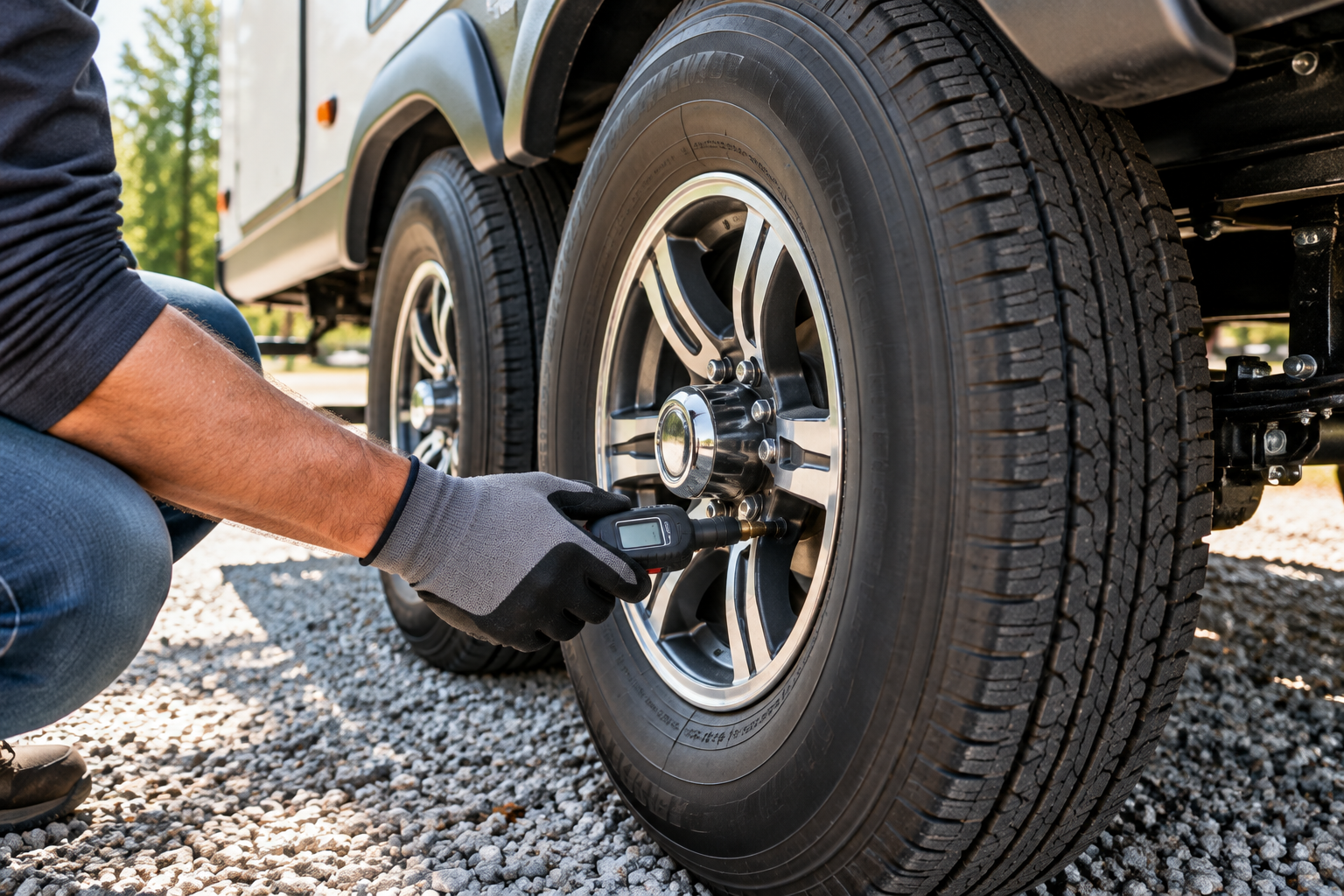
The biggest yearly costs for most owners are tires, storage, insurance, and repairs to the roof, seals, and running gear. Which one hits hardest depends on how much you travel and how well the unit has been cared for.
Tires. Fifth wheels carry a lot of weight on a small number of tires. Tires age with time and sun exposure, so replacement often comes from age, not tread wear. Check the date code on the sidewall and follow the tire maker's guidance on when to replace.
Storage. If you cannot keep the unit at home, you may pay monthly for a lot or covered space. Covered or indoor storage costs more but protects the roof, seals, and tires from sun and weather.
Insurance and registration. These vary by state, value, and how you use the unit. Ask your insurance agent for quotes on the specific model you are considering before you buy.
Roof, seals, and water damage prevention. Small sealant repairs are inexpensive compared with the cost of repairing water damage. Inspecting the roof and seams a couple of times each year is one of the best ways to control long-term costs.
Brakes, bearings, and suspension. These parts wear with miles and weight. Regular service catches problems before they turn into road-side repairs.
How much should you budget for a new fifth wheel versus a used one?
Budget less for repairs and more for routine upkeep with a new fifth wheel, and expect more repair and replacement costs with a used one. A new unit usually has fresh tires, seals, and appliances, and it may still have warranty coverage. A used unit can be a great value, but its age can bring tire, seal, and appliance replacements sooner.
With a new fifth wheel:
Expect maintenance to be mostly inspections and scheduled service
Keep records, since the manufacturer's warranty can depend on it
Read the warranty terms so you know what is and is not covered
With a used fifth wheel:
Ask for service records and the age of the tires, roof sealant, and batteries
Have a technician inspect the roof, slides, brakes, and running gear
Build a repair cushion into your budget in the first year
Look carefully for signs of past water damage
If you are comparing both paths, browse new fifth wheels and used fifth wheels, or view the full fifth wheel inventory. It is also worth reading about RV warranty options so you understand what protection is available and what stays your responsibility.
How do you build a yearly maintenance budget for a fifth wheel?
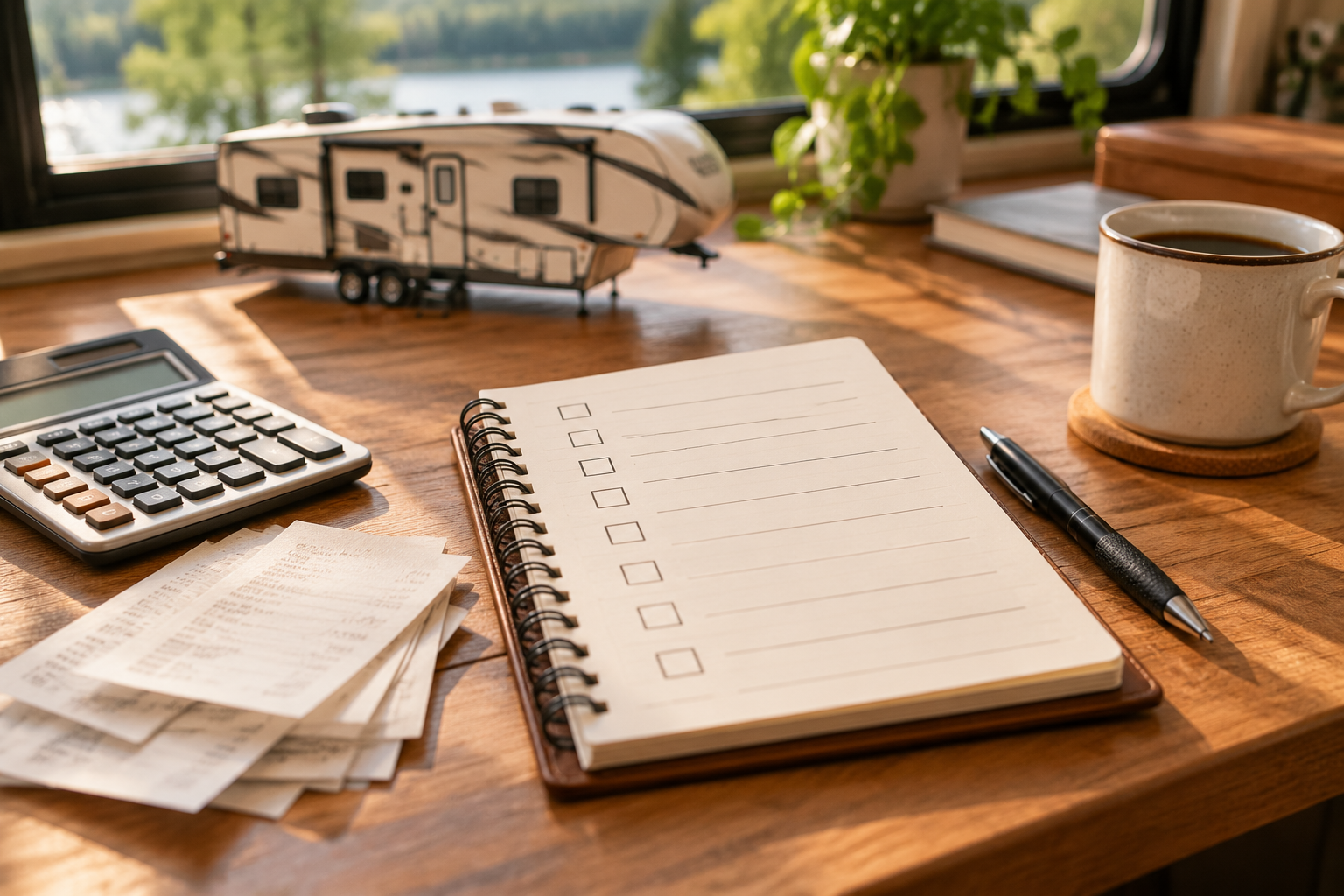
Build the budget by listing every cost group, getting real quotes for each, and setting money aside monthly. This keeps a tire replacement or roof repair from becoming a surprise.
List your fixed costs. Storage, insurance, registration, and any campground membership.
List your routine service costs. Bearing and brake service, roof inspection, slide care, and winterizing.
Add a replacement fund. Tires, batteries, awning, and seals all wear out eventually. Set aside a monthly amount for each.
Add a repair cushion. Unexpected repairs happen, especially on used units.
Get quotes. Ask your RV service department what your specific unit needs and what those services cost in your area.
Review yearly. Adjust after each camping season based on what you actually spent.
Costs differ by region, shop labor rates, and how heavily you use the unit, so a quote for your exact fifth wheel is more useful than any general number.
Where can you save money on fifth wheel maintenance?
You save the most money by doing small tasks on time. Preventive care is almost always cheaper than repair.
Do these yourself (if you are comfortable and it is safe):
Check tire pressure before every trip
Clean and inspect the roof, seals, and caulk
Wipe down and lubricate slide-out parts as the manual directs
Sanitize the fresh water system and keep tanks clean
Test batteries and clean the terminals
Inspect the hitch, pin box, and safety chains before towing
Leave these to a professional:
Brake and axle work
Propane system repairs
Electrical repairs beyond the basics
Structural or suspension repairs
Anything that involves working on the roof if you are not comfortable up there
Other ways to keep costs down:
Keep the unit covered or in storage that protects it from sun and rain
Fix small leaks immediately
Keep a maintenance log with dates and receipts
Do not overload the unit, since extra weight strains tires, axles, and the hitch
Match your tow vehicle to your unit. Our tow guides can help you check compatibility
What common mistakes make fifth wheel ownership more expensive?
Most expensive problems start as small ones that got ignored. These are the mistakes we see most often:
Skipping roof and seal inspections. Water damage costs far more than sealant.
Ignoring tire age. A tire can look fine and still be past its safe service life.
Under-lubricating the hitch and king pin. Dry parts wear faster and can cause towing problems.
Neglecting wheel bearings. Failed bearings can damage the axle and leave you stranded.
Skipping winterizing. Frozen water lines can crack fittings and cause leaks.
Overloading the unit. Extra weight shortens the life of tires, brakes, and suspension.
Not keeping records. Missing records can complicate warranty claims and reduce trade-in value.
Buying without an inspection. A used unit with hidden problems can turn a good deal into an expensive one.
How can A&L RV Sales help you plan for fifth wheel costs?
A&L RV Sales serves fifth wheel shoppers and owners through the locations on our locations page, including Richmond, VA, Chocowinity, NC, Sevierville, TN, and Lake Park, GA.
Here is how we can help:
Need a maintenance plan or a quote? Contact our service team and ask what your unit needs.
Dealing with damage? Learn about our collision center.
Thinking about a different unit? Ask about a trade-in and review financing options.
Want to see what is available? Check current RV specials.
If you would rather talk to a person, reach out to the A&L RV Sales team and ask for an expert.
Frequently Asked Questions
How often does a fifth wheel need maintenance?
A fifth wheel needs some maintenance before every trip, a more detailed inspection at least once or twice a year, and specific service at intervals in your owner's manual. Before each trip, check tires, lights, the hitch, and the roof. Annual service usually covers brakes, bearings, seals, and the water system.
How often should you replace fifth wheel tires?
Replace tires based on age, condition, and the tire maker's guidance, not only tread depth. Tires can weaken with time and sun exposure even when they look fine. Check the date code on the sidewall, inspect for cracks and bulges, and follow the manufacturer's recommendations for your tire.
Is a used fifth wheel more expensive to maintain than a new one?
Often, yes, because older units tend to need tire, seal, appliance, and running gear replacements sooner. A used fifth wheel with good records and a professional inspection can still be a smart buy. Ask about the age of the tires and roof sealant, and build a repair cushion into your budget.
How often should you inspect the roof on a fifth wheel?
Inspect the roof and seals at least a couple of times a year, after heavy storms, and after long trips. Look for cracked or peeling sealant around vents, skylights, and edges. Catching a small gap early is much cheaper than repairing water damage inside the walls.
Does storage affect fifth wheel maintenance costs?
Yes. Covered or indoor storage protects the roof, seals, and tires from sun and weather, which can reduce wear over time. Outdoor storage costs less up front but can lead to more sealant and tire replacements. If you store outside, use a breathable cover and inspect the roof often.
Can you lower fifth wheel maintenance costs by doing it yourself?
You can lower costs by handling simple tasks yourself, such as checking tire pressure, inspecting seals, cleaning slides, and sanitizing the water system. Leave brakes, axles, propane, and complex electrical work to a professional. Mistakes on those systems can be costly and unsafe.
Final Takeaway
The yearly cost of maintaining a fifth wheel comes down to tires, storage, insurance, seals and roof care, running gear, and a cushion for repairs. The best way to control it is to inspect regularly, fix small problems early, keep records, and get quotes for your exact unit instead of guessing.
If you want help estimating what your fifth wheel will need, or you are ready to compare units, contact A&L RV Sales or browse our fifth wheels.
Related posts


Recent posts
- Alliance RV buyer’s guide: Paradigm vs Avenue vs Delta vs Benchmark
- Grand Design lineup explained: Reflection vs Imagine vs Solitude vs Transcend vs Momentum
- Brinkley vs Alliance vs Grand Design: which luxury fifth wheel brand fits your use?
- Fifth wheel floorplans explained: front living vs rear living vs rear kitchen